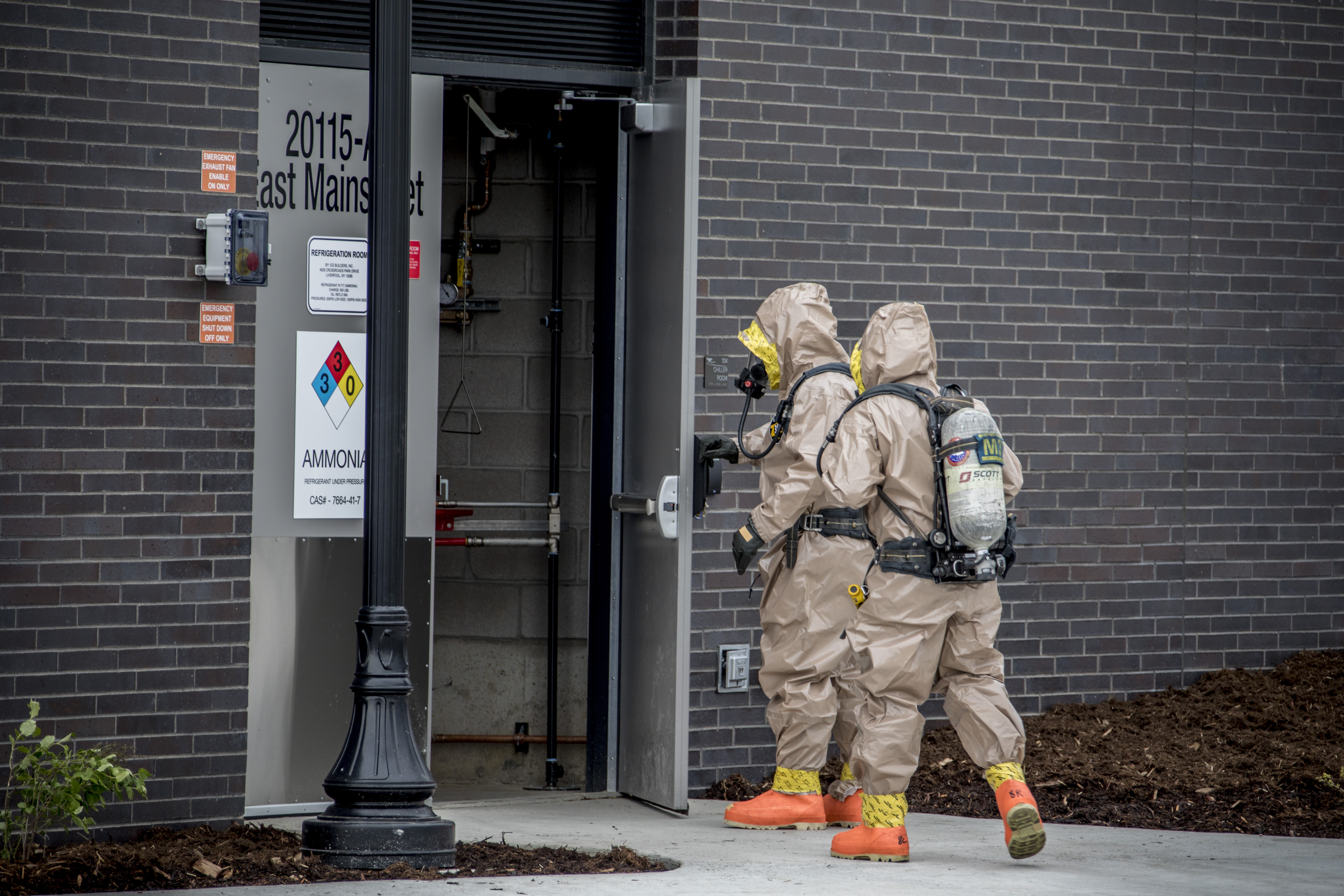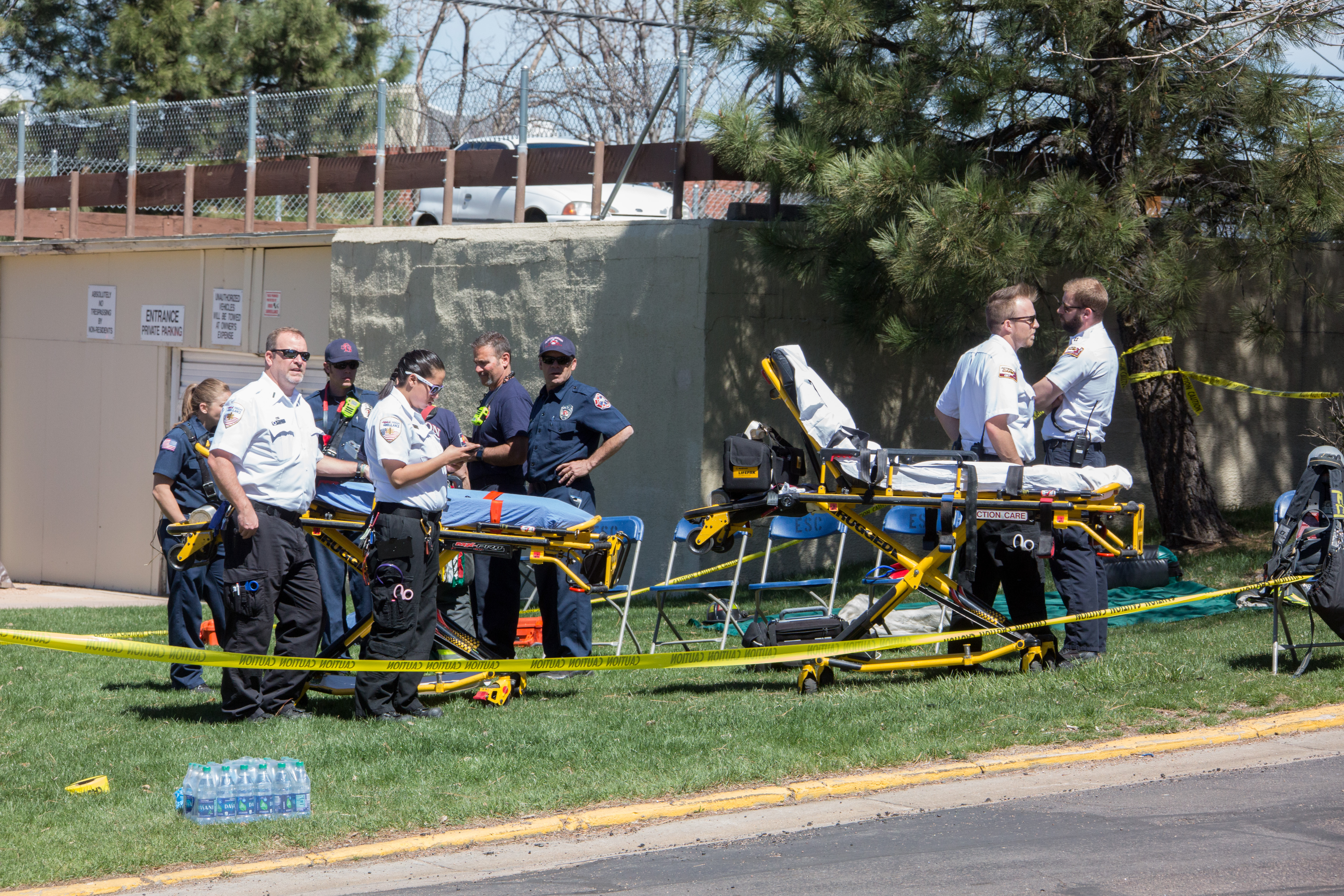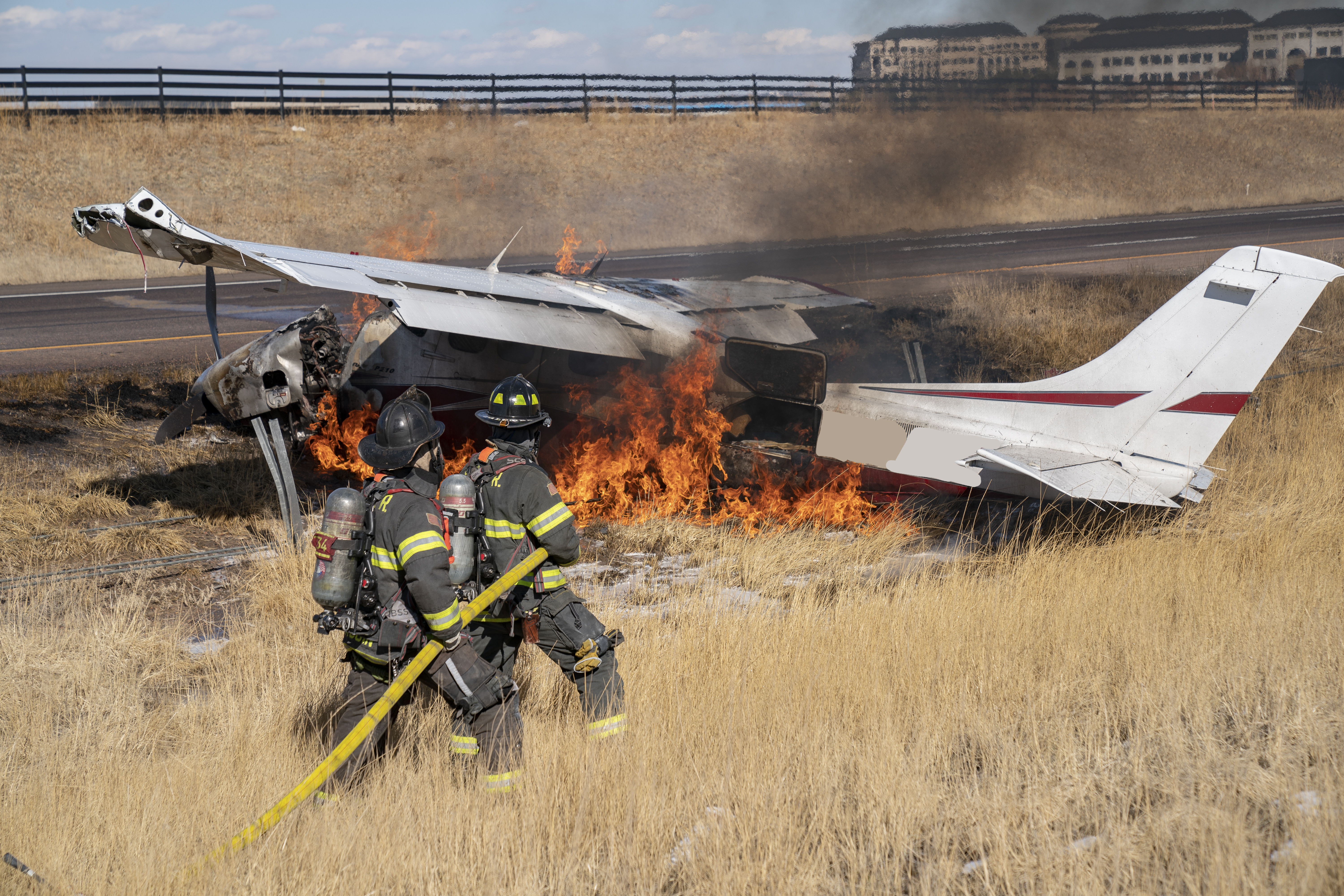
Built for the working fire. Engineered for first-due command. Designed, Built, and Shipped from Denver, Colorado
IDLH Tactical Worksheet® / Est. 2017

Fire Command Board. Engineered for the Working Fire.

When the first-due pulls up to a working fire, command happens in the first ninety seconds. The IDLH fire command board was built for that moment — aviation-style checklists for fireground operations, fast-access dry-erase layout, and ICS-aligned accountability you can run with one hand on the radio.

Also searched as: Fireground Command Board · First-Due Command Board · Structure Fire Command Board · Tactical Worksheet · Fire Service Command Tool
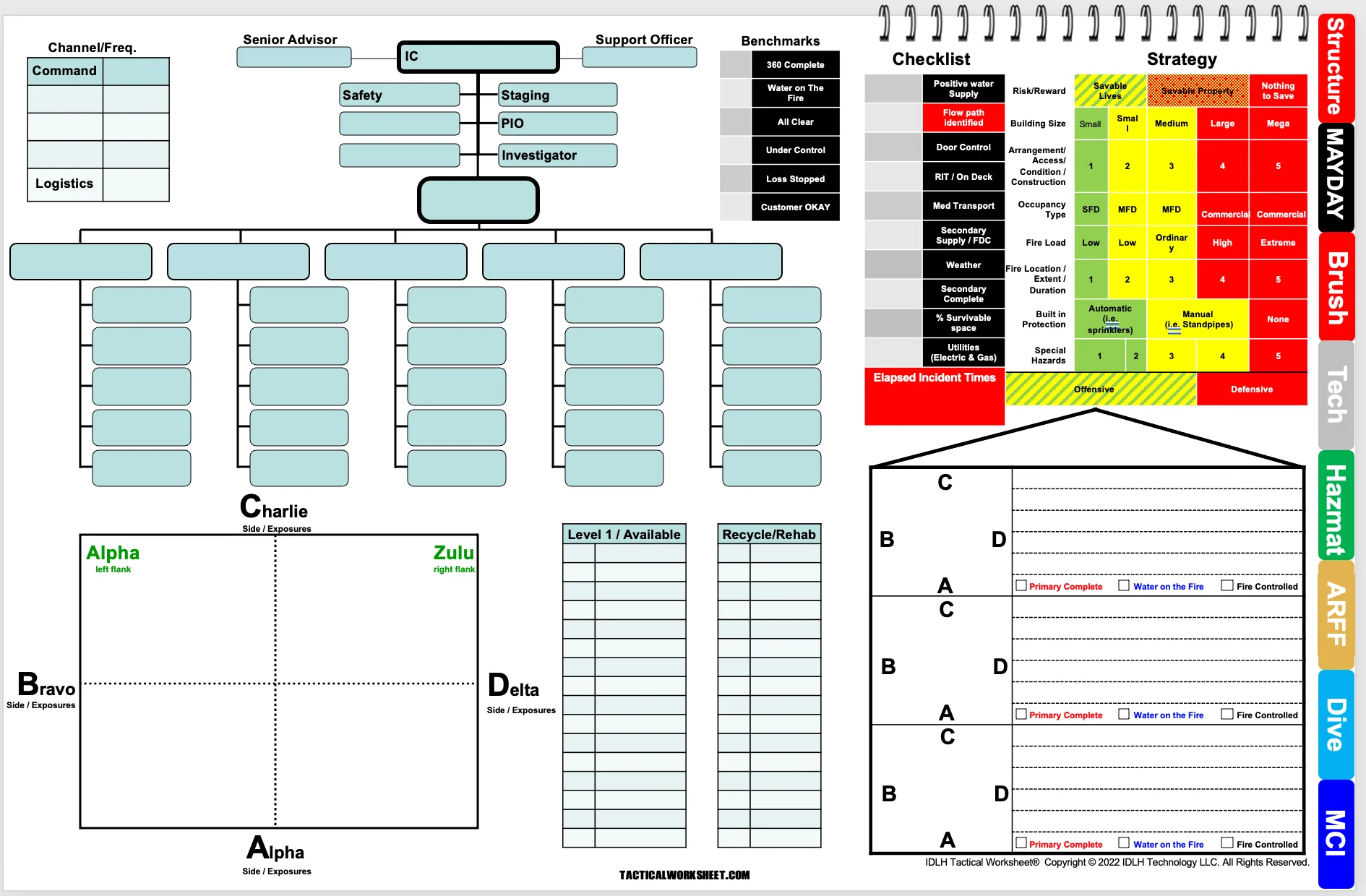
IDLH Tactical Worksheet fire command board with all-hazard checklists
50States Deployed
8Fireground Checklists
11×17″Dry-Erase, Double-Sided
USADesigned & Built
01 / The First 90 Seconds

Command Happens Fast.

The first 90 seconds at a working fire set the trajectory of the entire incident. The first-due chief sizes up the building, calls the strategy, assigns the first crews, and starts running command — usually while three radios are talking and the smoke is doing whatever it wants. There is no second chance to make a first impression on a fire.

A fire command board exists to give the commander a physical, structured surface for that moment. Personnel and assignments in their place. Benchmarks marked as they happen. Conditions, actions, needs captured before they get lost. The IDLH Tactical Worksheet® takes it one step further — every line on the board is a checklist prompt drawn from aviation cockpit discipline, so the board does not just record decisions, it prompts them.

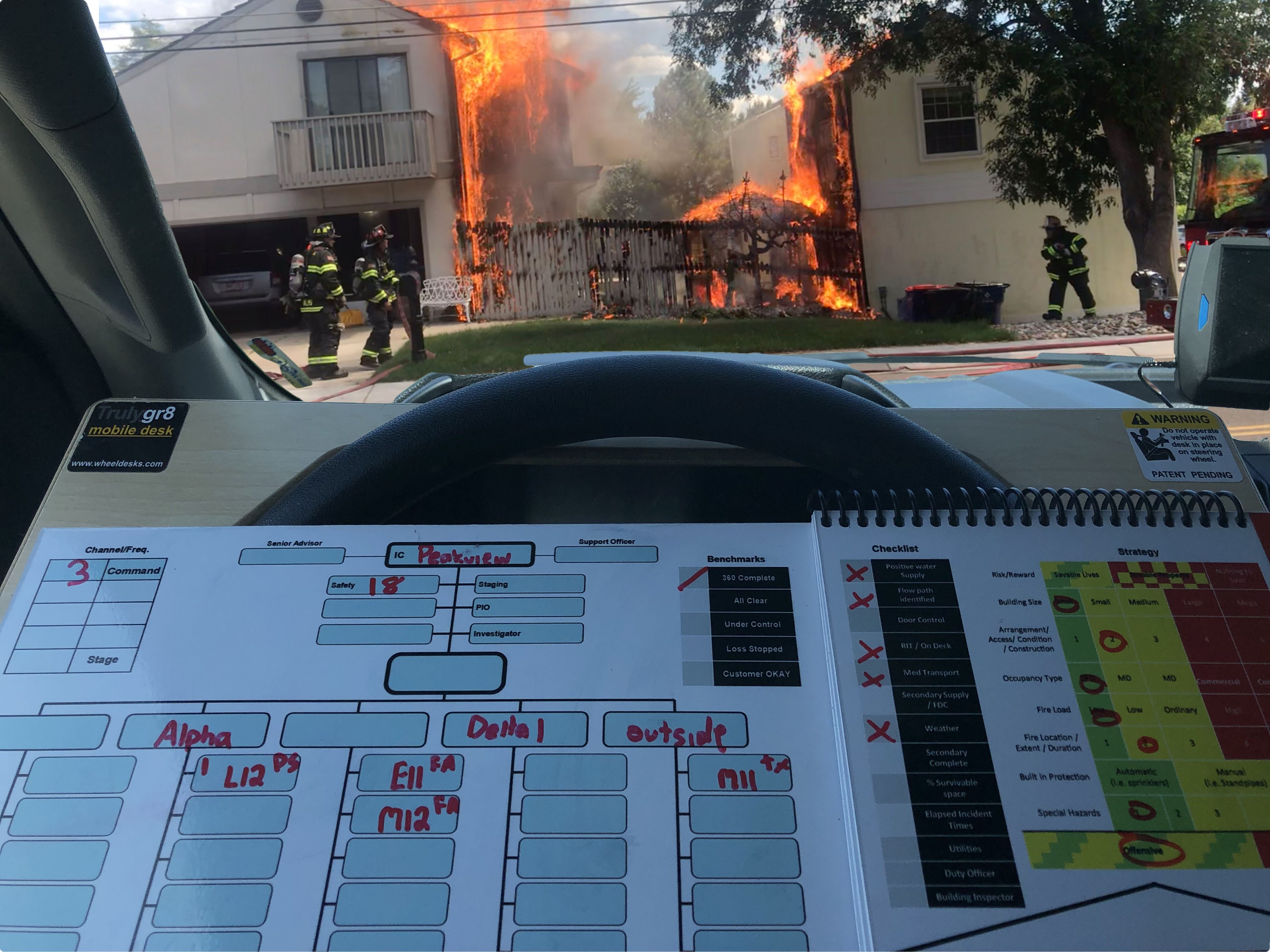
It is the tool you reach for when the working fire is in front of you, the windshield assessment is done, and command needs a place to stand.
02 / Built for Command

What Sets This Board Apart.

Six things that make the IDLH fire command board different from the rest of the market.

01

Aviation Discipline

Cockpit-style checklist prompts sit on the board where command needs them — concise enough to scan in seconds, structured enough to keep the worst calls from owning the commander.

02

Fireground-First Layout

Personnel, divisions, benchmarks, and CAN reports laid out the way fire ground command actually moves. Built around PAR, accountability, and the realities of running a working fire.

03

Eight Incident Types

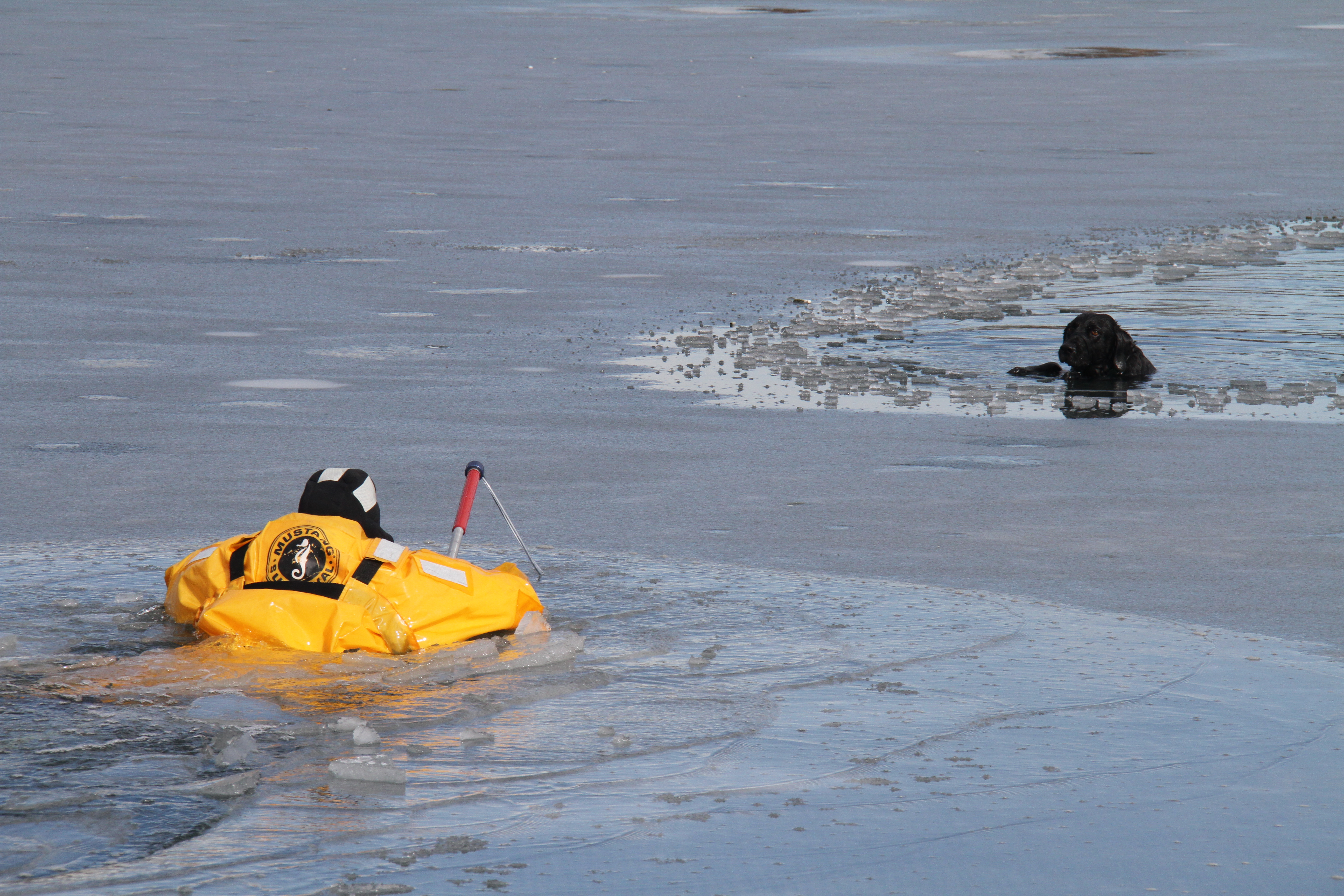
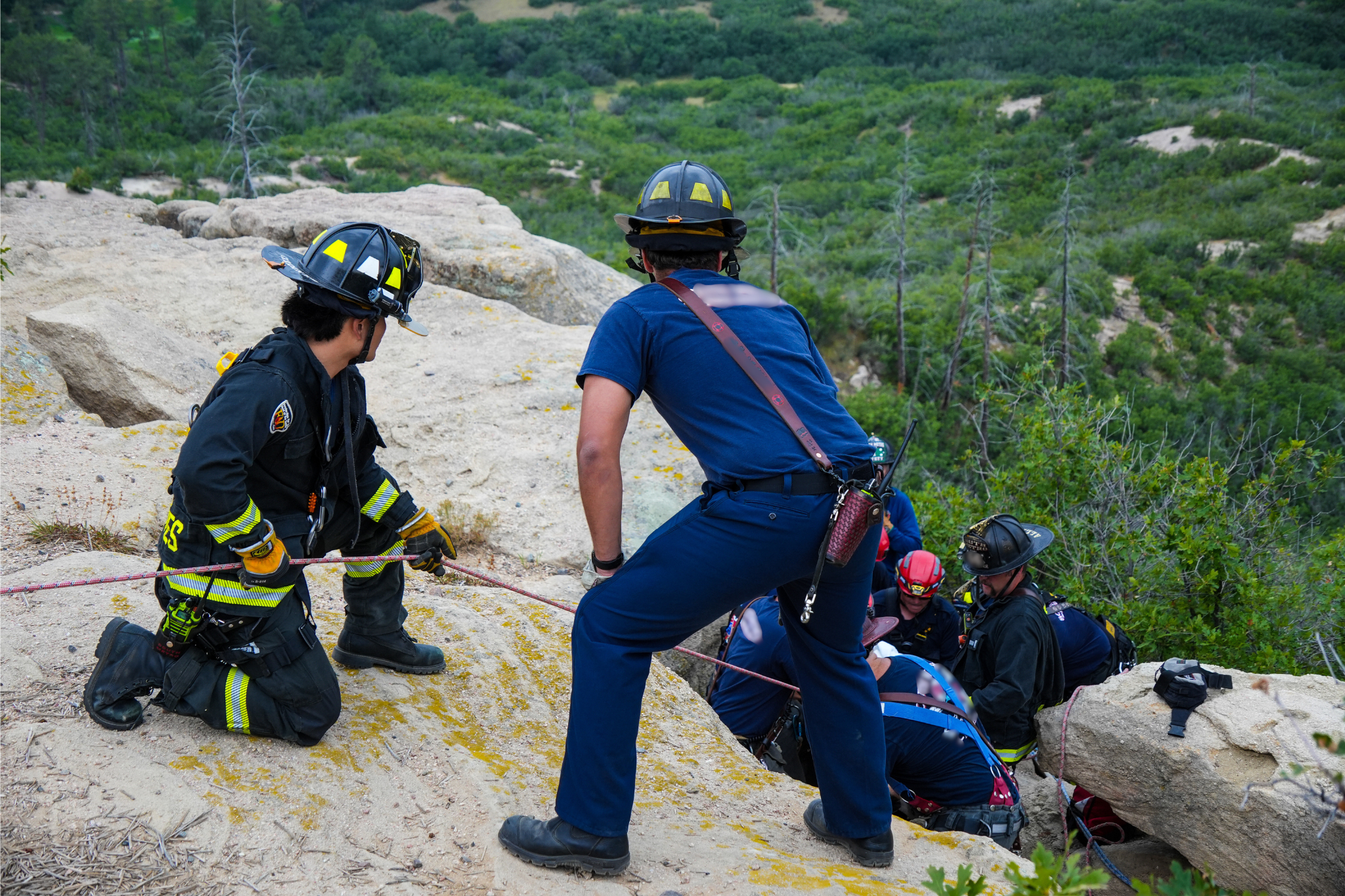
Structure, Mayday, Brush/WUI, HazMat, MCI, ARFF, Dive Rescue, Technical Rescue. One board for the working fire and every other call the engine will answer this shift.

04

11×17″, Built to Run

Double-sided premium styrene with dry-erase laminate. Sized for the command vehicle dashboard, weather-resistant, and tested through enough working fires to prove it out.

05

By Firefighters

Designed and revised by active fire service personnel. Every checklist on the board has been pressure-tested on real incidents — not theorized at a desk.

06

Built in the USA

Manufactured in the United States. Shipped from Denver, Colorado. Built by people who actually run command with the tool they ship to your station.

03 / Engineered for the Fireground

The Board Knows the Call.

A fire command board is only useful if it matches the way command actually runs. The IDLH layout is built around the real cadence of a working fire — the radio traffic that comes in, the assignments that go out, the benchmarks that have to be hit.

On the working surface: command identification, sector / division / group tracking, personnel accountability, conditions / actions / needs capture, and the benchmark sequence — primary search, all clear, fire under control, loss stopped, customer okay. On the checklist side: incident-specific prompts that come up at the exact moment they matter, not before, not after.

It is the difference between a clipboard and a command tool. The board is not a place to write things down; it is a place to run command from.

FIRST DUE

Working Fire

Structure side: positions for IC, safety, staging, PIO, investigator, and division leadership. Benchmark checklist sits in line of sight. Strategy and tactic prompts ride alongside accountability.

UNDER STRESS

Mayday

Dedicated mayday checklist with the questions you have to ask under the worst conditions of your career — LUNAR, FAST/RIT deployment, air supply, last known location, accountability sweep.

ALL HAZARD

Every Other Call

Brush/WUI, HazMat, MCI, ARFF, dive, technical rescue. The board carries the framework for every call the engine will answer — the working fire is one of them, not all of them.

04 / Shop

Take Command.

The Standard Edition rides on the rig — premium styrene, weather-resistant, built to take the abuse of repeated working fires. The Value Edition shares the same layout and checklists at a price built for training divisions, station copies, and academy use.

IDLH Tactical Worksheet Command Board, Standard Edition
Standard Edition

IDLH Tactical Worksheet® Fire Command Board

Cockpit-style fireground checklists. ICS-aligned 11×17″ dry-erase. Built for the working fire.

$149.99
USD · Ships within 2–4 Business Days
Dimensions
11″ × 17″, double-sided
Material
Premium styrene, weather-resistant
System
ICS & NIMS aligned
Checklists
Structure, Mayday, Brush/WUI, HazMat, MCI, ARFF, Dive, Tech Rescue
Origin
Designed & made in the USA
Ships From
Denver, Colorado · 2–4 business days
05 / Fireground Checklists

One Board. Eight Incidents.

Every incident type the engine answers gets its own checklist on the board — printed, ready, sitting where command can see it. Click any incident to view the checklist in detail.

06 / Specifications

Built to Hold Up.

Materials, dimensions, and engineering details for the IDLH Tactical Worksheet® Fire Command Board, Standard Edition.

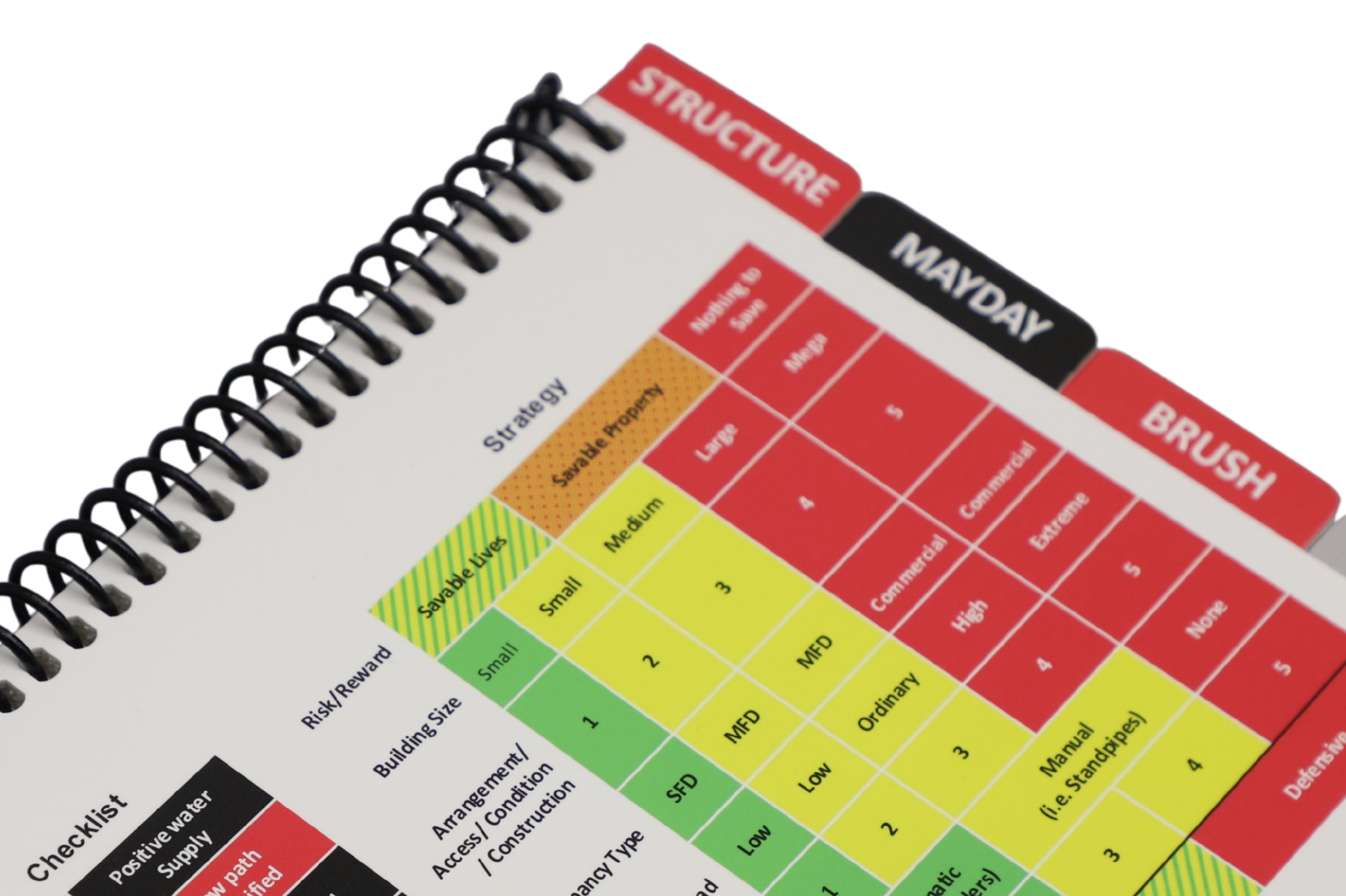
Close-up of IDLH Tactical Worksheet command board checklist prompts
Dimensions
11″ × 17″, double-sided
Weight
1.6 lb (726 g)
Material
Premium styrene with dry-erase laminate; weather-resistant
Format
Dry-erase, double-sided (all-hazard checklists + tactical layout)
System
ICS / NIMS aligned · Supports PAR, CAN, division/group tracking
Checklists
Structure · Mayday · Brush/WUI · HazMat · MCI · ARFF · Dive · Tech Rescue
Design
Aviation-inspired checklist framework
Editions
Standard (front-line) · Value (training, station, academy)
Origin
Designed and manufactured in the USA
SKU / GTIN
IDLH-CB-STANDARD · 860002374192
07 / From the Rig

What the Bugles Are Saying.

Commanders, truck captains, and training officers using the IDLH fire command board at real working fires.

I have run command for twenty-three years and this is the first tool I have ever picked up that actually thinks like a fireground commander. The checklist prompts catch things I would have caught — but only after the call.

Deputy Chief Career Department · Pacific Northwest

The first time I ran command with it at a working fire I noticed I was calmer. Not because I knew more — because I did not have to hold everything in my head at once. The board was holding it for me.

Truck Captain Urban Department · Rocky Mountain

We bought one for every officer in the training division. The recruits who learn command on this board carry that structure into their first promotions. It is the closest thing the fire service has to a flight checklist.

Training Chief Combination Department · Mid-Atlantic

Volunteer department, twelve calls a month. We do not get reps on working fires the way the busy houses do. The board gives me the structure those guys built up from repetition. I will not run command without it now.

Acting Chief Volunteer Department · Texas
08 / In the Field

Watch Working Fires.

Real incident walkthroughs with the IDLH fire command board in use. See how command holds together when the checklists are doing their work.

→ View All Playlists on YouTube

09 / Questions From the Field

What Commanders Ask.

The questions chiefs and training officers ask before they pick up the board. Don't see yours? Contact the team.

What does a fire command board actually do at a working fire?

A fire command board gives the incident commander a physical, structured surface to track who is on scene, what they are doing, and what has been accomplished. At a working fire, that means recording division and group assignments, marking benchmarks (primary search complete, fire under control, loss stopped), and capturing the conditions / actions / needs report from interior crews. The IDLH Tactical Worksheet® adds aviation-style checklists into that same surface, so the commander is prompted through the high-stakes decisions instead of relying purely on memory under stress.

Will a checklist slow me down on a working fire?

No — and that is the most common concern from first-due chiefs the first time they pick up the board. The aviation-style checklists are written as prompts, not procedures: a few words per item, designed to be scanned in seconds. They are there to catch the thing you might miss when the smoke is rolling and three radios are talking. Departments that adopt the board consistently report that command actually gets faster, not slower, once the layout is familiar.

How is the IDLH fire command board different from a tactical worksheet?

A tactical worksheet is typically a piece of paper or laminate that captures personnel, units, and benchmarks. A fire command board does that and more — providing checklists, accountability frameworks, and incident-specific prompts on a single, dry-erase, double-sided surface that the commander can carry from the command vehicle to the front of the building. The IDLH Tactical Worksheet® Command Board combines both functions into one tool.

Does the fire command board work for rural and volunteer departments?

Yes. The board is in active use across career, combination, and volunteer departments. The checklist framework is particularly valuable in lower-call-volume environments where high-risk events are infrequent — the structure of the board fills the gap that frequent repetition fills for high-call-volume departments.

Is the IDLH Tactical Worksheet® approved for ICS/NIMS operations?

The board is designed around ICS and NIMS structure — positions for personnel accountability reports, conditions/actions/needs updates, division and group tracking, benchmark recording. It supports your existing ICS/NIMS-compliant operations rather than replacing them. The board is a tool, not a system; your department's training, SOPs, and qualifications remain the governing framework.

How fast can a first-due chief learn to use the fire command board?

Most users are comfortable running command with the board after one or two training sessions and three to five live incidents. Departments that incorporate the board into command-level training simulations and drill nights see adoption move faster — the muscle memory of which checklist sits where on the layout is what makes the board feel natural under pressure.

What size is the fire command board, and how does it carry?

The Standard Edition is 11×17″, double-sided, with the all-hazard checklists on one side and the tactical worksheet layout on the other. It is sized to ride on a command vehicle dashboard, in a command bag, or on a clipboard mount. Smaller JR editions (6×6″) are available for forward-working chiefs, safety officers, PIO, and active threat applications where the full board is impractical.

Where is the fire command board manufactured, and how fast does it ship?

Designed and manufactured in the United States by IDLH Technology, LLC. Most orders ship within 2–4 business days from Denver, Colorado. Local Denver Metro customers can opt for Uber pickup for same-day or next-morning delivery.
10 / The Company Behind the Board

IDLH Technology.

A small American company designing fireground command tools since 2017.

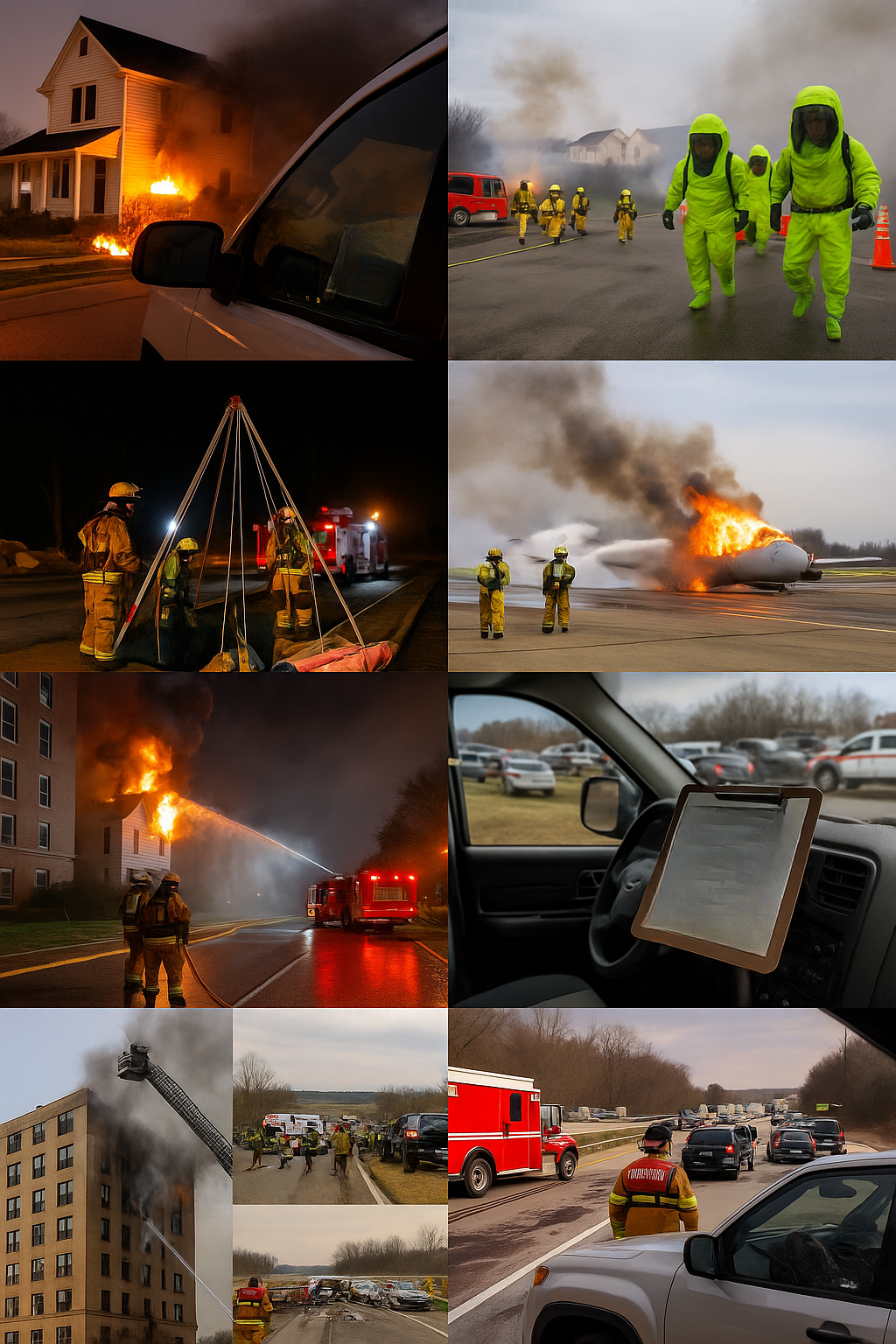
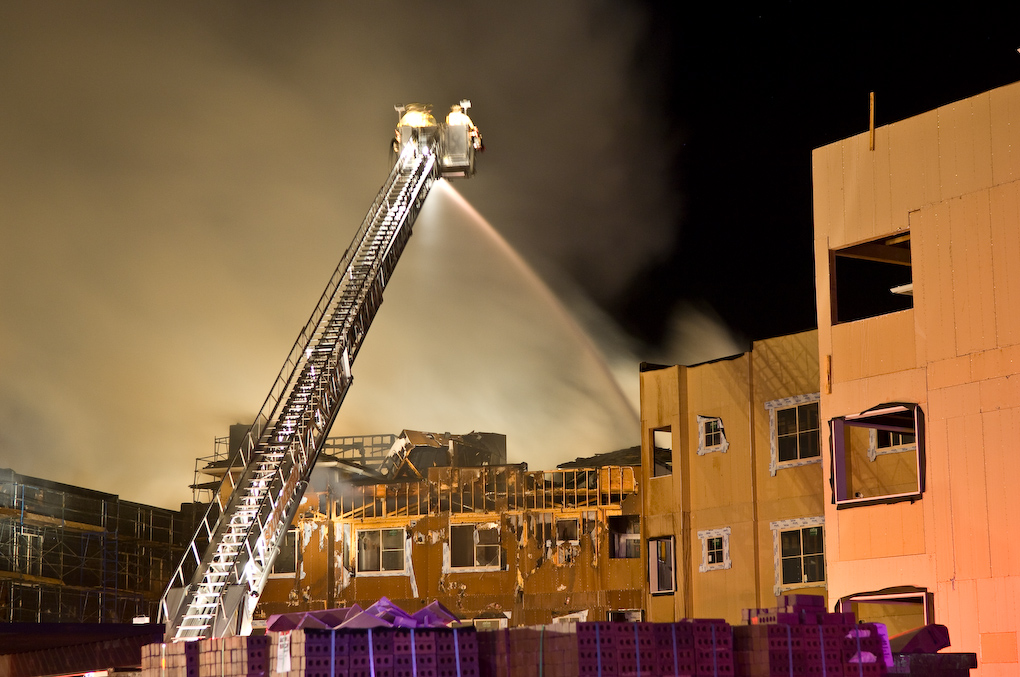
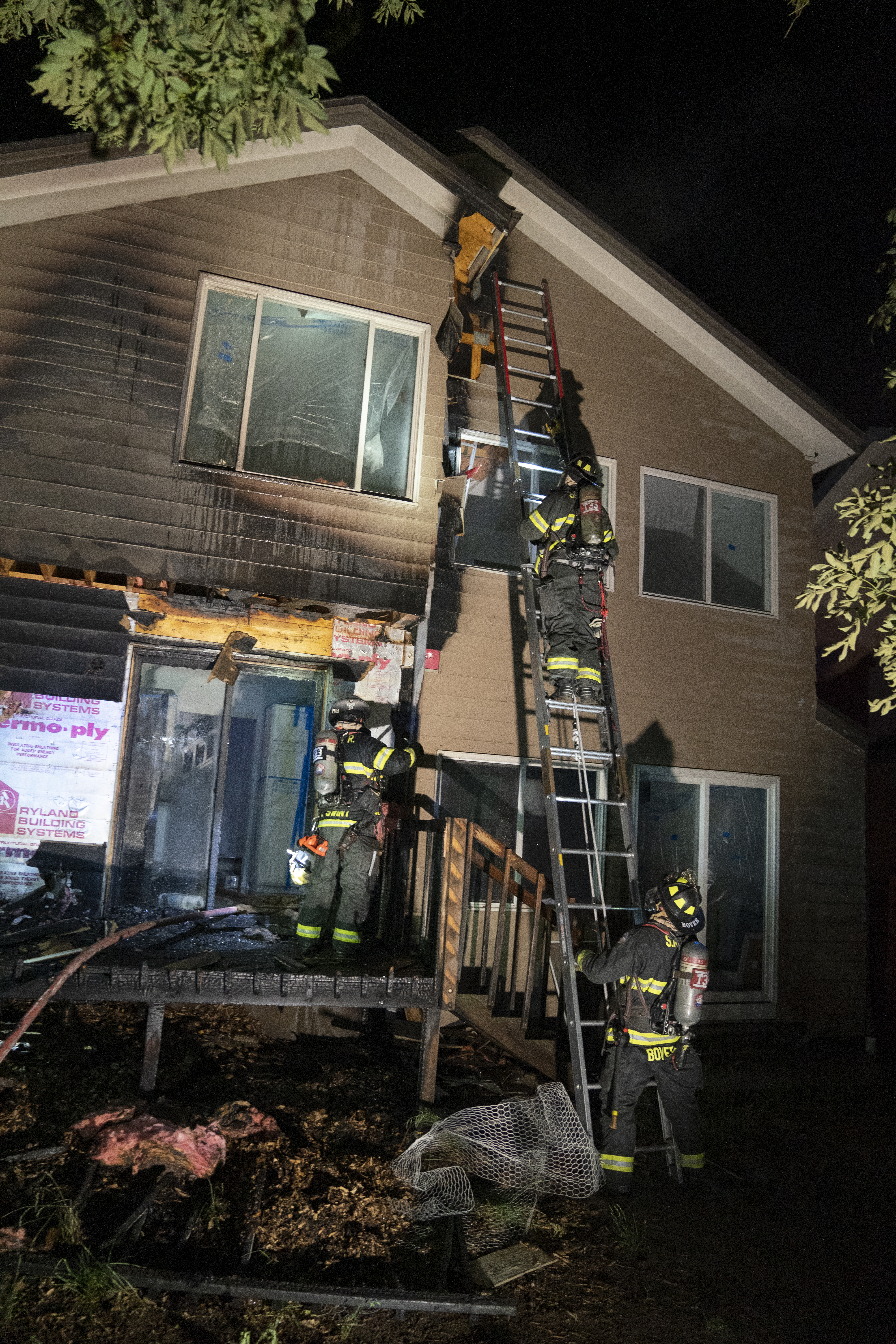
IDLH Tactical Worksheet command boards in use at real fire and rescue incidents

IDLH Technology, LLC was started in 2017 by working firefighters who could not find a command tool that matched how command actually runs on a working fire. What was on the market was either too generic (blank whiteboards) or too rigid (binders nobody opens in the heat of the call). Nothing was built for the moment a first-due chief is staring down a structure fire and trying to remember whether the primary search was called or only assumed.

The IDLH Tactical Worksheet® Fire Command Board was built to be the answer to that moment. One tool, built for the fireground, structured around the discipline of aviation cockpit checklists. Used by departments across the country. Revised continuously based on what comes back from real incidents.

The IDLH Tactical Worksheet® name and logo are registered trademarks of IDLH Technology, LLC. The fire command board is part of the broader IDLH command tool lineup — including JR, ISO, PIO, Active Threat, Big Print, and training-focused Value editions. The full lineup is available at the flagship store, commandboard.com; the ICS-focused variant is at incidentcommandboard.com; the standalone checklist booklet is at commandchecklist.com; and the original IDLH Tactical Worksheet store.

Shop the Full IDLH Lineup

IDLH Tactical Worksheet® Network